
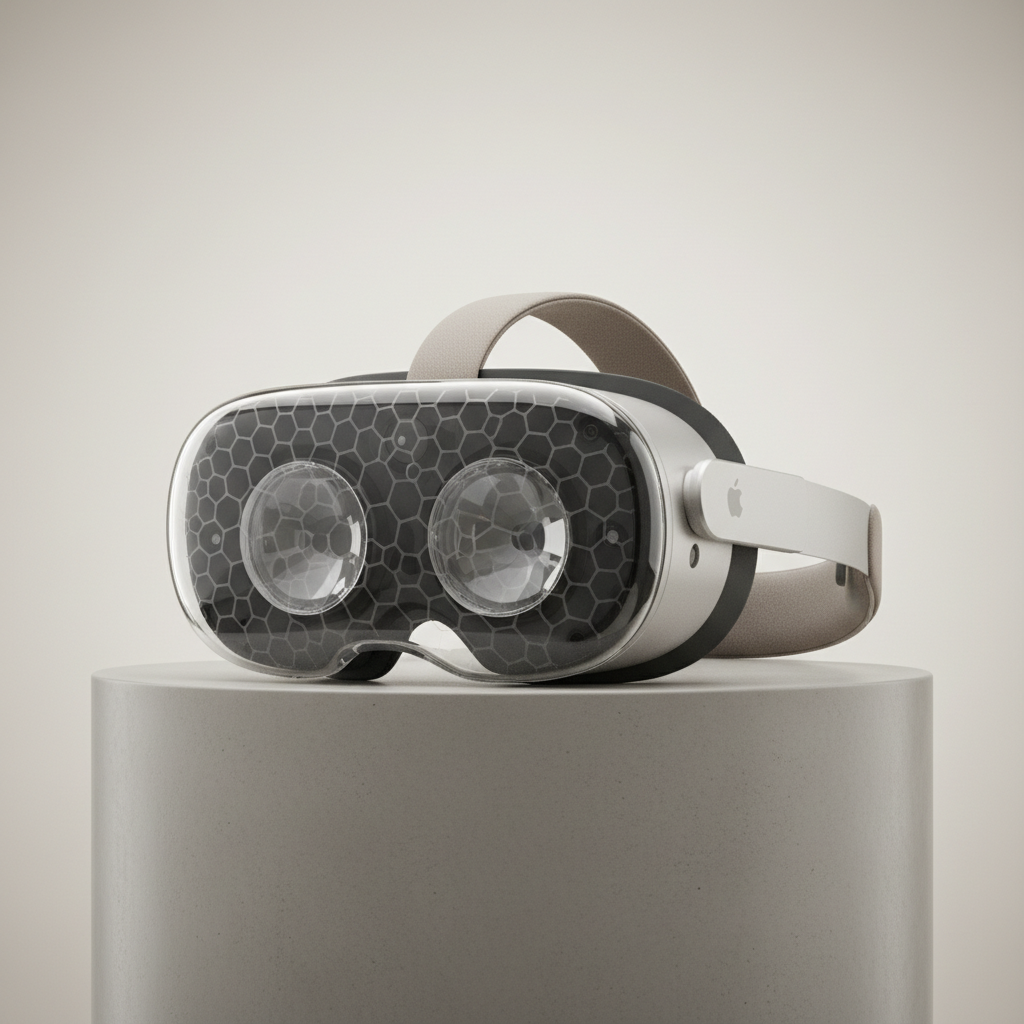
Accuracy Notice
Apple has not officially announced a Vision Pro 2. Reports indicate development of a full successor has been paused or delayed. Any previously published "leaked specs" for Vision Pro 2 are unverified. This article reflects the current state of reporting as of August 2026.
What We Know: Development Paused
Multiple credible reports from Bloomberg's Mark Gurman and other Apple analysts indicate that Apple has paused or significantly scaled back development of a direct Vision Pro successor.
Apple's New Focus: Smart Glasses
Instead of a full Vision Pro successor, Apple is reportedly prioritizing the development of a lighter, more affordable smart glasses product — a category that Meta has entered with the Ray-Ban Meta glasses.
Current State of Apple's Headset Strategy
- Apple Vision Pro (Gen 1): Launched February 2024 at $3,499 — currently available
- Vision Pro 2 (full successor): Development reportedly paused or delayed — no confirmed timeline
- Apple Smart Glasses: Reportedly in development — no confirmed specs, name, or release date
Why the Pivot?
The original Vision Pro, while technologically impressive, faced significant challenges: its $3,499 price tag, heavy weight (~600g), limited battery life (~2 hours), and relatively niche appeal.
Smart glasses — lighter, cheaper, and more socially acceptable to wear in public — represent a different market opportunity. Apple is said to be working on a product that could be much more approachable for everyday users.
What This Means for Spatial Computing
Apple's strategic shift does not mean the end of spatial computing — it reflects a recalibration of how Apple believes users will adopt the technology. A more affordable, lighter form factor could unlock a wider audience over time.
Industry analysts expect Apple to eventually return to a full spatial computing headset, but the timeline has been pushed back significantly from earlier expectations.
Editor's Note
"Apple's decision to pause Vision Pro 2 development and focus on smart glasses is a pragmatic response to the challenges of the spatial computing market. The original Vision Pro was a remarkable product, but it was expensive and constrained."