As an Amazon Associate, Gadgets Finds earns from qualifying purchases.
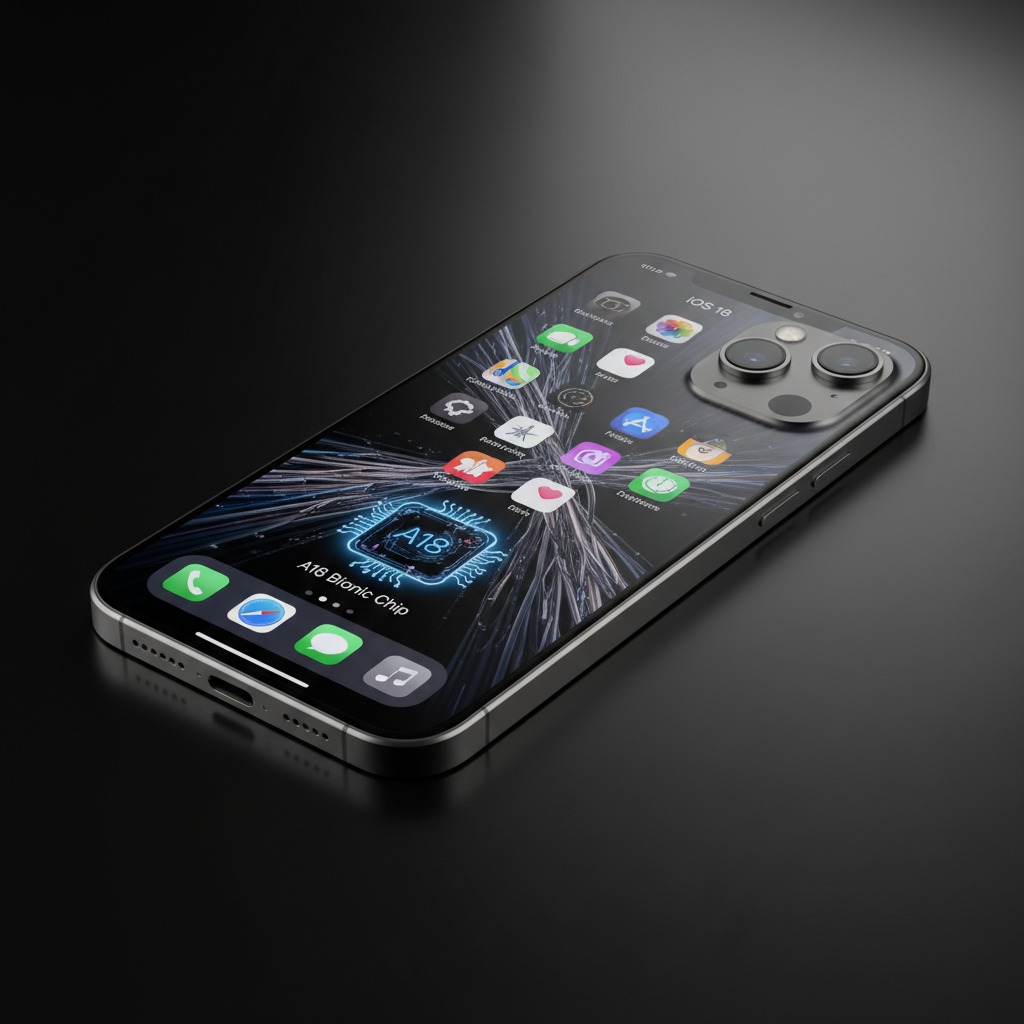
An in-depth comparison of the two flagship smartphones' camera capabilities, performance, and features to help you choose the ultimate mobile photography powerhouse.
We put the two flagship smartphones through extensive camera testing to determine the mobile photography champion. After weeks of real-world testing, here's our comprehensive comparison.
Both devices represent the pinnacle of smartphone design. The iPhone 16 Pro features Apple's signature titanium frame with a matte finish, while the Samsung Galaxy S26 Ultra sports a refined aluminum chassis with Gorilla Glass Victus 3 on both sides. The iPhone weighs 221g compared to Samsung's 234g, making Apple's offering slightly more comfortable for extended use.
In optimal lighting conditions, both phones deliver exceptional results. The iPhone 16 Pro excels in color accuracy and natural-looking images, thanks to Apple's computational photography algorithms. Samsung's 200MP sensor captures incredible detail, allowing for aggressive cropping without quality loss. The Galaxy S26 Ultra's AI processing tends to produce more vibrant, eye-catching images that pop on social media.
This is where the competition gets interesting. Apple's Night mode has been refined to near-perfection, producing clean images with minimal noise and excellent dynamic range. Samsung's Nightography mode leverages AI to brighten scenes dramatically, though sometimes at the cost of introducing slight artifacts. For most users, the iPhone's more conservative approach yields more reliable results.
Samsung takes a decisive victory in the zoom department. The 10x optical zoom on the Galaxy S26 Ultra is simply unmatched, providing crystal-clear images at distances where the iPhone 16 Pro's 5x zoom starts to show limitations. Samsung's Space Zoom feature extends to 100x digital zoom, though quality degrades significantly beyond 30x.
Both phones support 8K video recording, but the Galaxy S26 Ultra's ability to shoot at 60fps gives it an edge for smooth, cinematic footage. The iPhone 16 Pro's video stabilization remains industry-leading, producing incredibly smooth handheld footage. Apple's ProRes codec support also makes the iPhone the preferred choice for professional videographers.
Samsung's AI features are more aggressive and numerous, offering scene optimization, object eraser, and advanced portrait modes with extensive customization. Apple takes a more subtle approach, focusing on natural-looking results with features like Photonic Engine and Deep Fusion working behind the scenes. The choice between the two depends on whether you prefer manual control or automated optimization.
Winner: It Depends on Your Priorities
Choose iPhone 16 Pro if: You value color accuracy, natural-looking photos, superior video stabilization, and seamless ecosystem integration. Best for professional content creators and those who prefer a more refined, consistent camera experience.
Choose Galaxy S26 Ultra if: You want maximum versatility with superior zoom capabilities, higher resolution sensors, more AI features, and vibrant, social media-ready images. Best for photography enthusiasts who love experimenting with different modes and settings.
Both the iPhone 16 Pro and Samsung Galaxy S26 Ultra represent the absolute best in smartphone photography. Your choice ultimately comes down to ecosystem preference and photographic style. The iPhone delivers consistently excellent results with minimal effort, while the Samsung offers more creative control and versatility for those willing to explore its extensive feature set.
