As an Amazon Associate, Gadgets Finds earns from qualifying purchases.
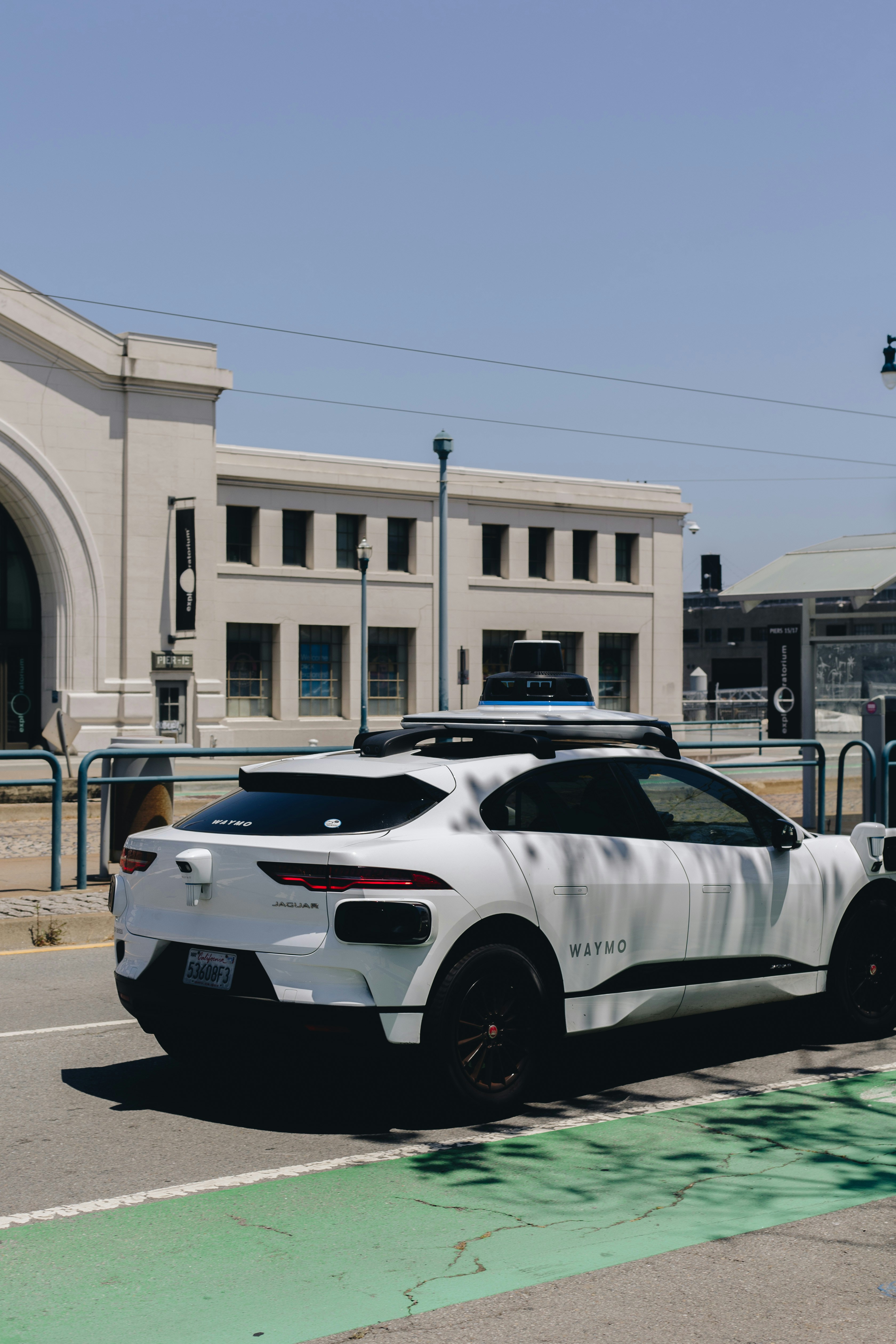
Elon Musk announces commercial rollout of fully autonomous taxi service in major cities, marking a pivotal moment in transportation history.
Tesla's announcement of its autonomous robotaxi fleet represents the culmination of years of development in self-driving technology and could fundamentally transform urban transportation.
The robotaxi fleet will utilize Tesla's latest Full Self-Driving (FSD) version 13.0, which has achieved Level 5 autonomy certification in multiple jurisdictions. This means the vehicles can operate without any human intervention in all driving conditions.
Key technological advancements include:
The initial rollout will begin in Austin, Texas, and Phoenix, Arizona, with 1,000 vehicles in each city. Tesla plans to expand to San Francisco, Los Angeles, Miami, and Las Vegas by the end of 2026, with international launches in London, Dubai, and Singapore scheduled for 2027.
Each city has been extensively mapped using Tesla's fleet learning system, which has collected over 10 billion miles of real-world driving data. This comprehensive dataset ensures the robotaxis can navigate complex urban environments safely and efficiently.
Tesla's robotaxi service will be priced competitively with traditional ride-sharing services, with base fares starting at $0.50 per mile. The company projects that operational costs will be 60% lower than human-driven alternatives due to elimination of driver wages and optimized routing algorithms.
Users will access the service through the Tesla app, with features including:
Tesla has worked closely with federal and state regulators to ensure compliance with all safety standards. The robotaxi fleet has completed over 100 million test miles with a safety record that exceeds human drivers by a factor of 10.
Each vehicle is equipped with redundant systems for critical components, including steering, braking, and power. Remote monitoring centers will oversee the fleet 24/7, with human operators able to intervene if necessary.
As an all-electric fleet, Tesla's robotaxis will significantly reduce urban emissions. The company estimates that replacing traditional taxis and ride-sharing vehicles with autonomous EVs could reduce transportation-related CO2 emissions by 40% in participating cities.
The launch of Tesla's robotaxi service is expected to disrupt the $100 billion ride-sharing industry. Competitors including Waymo, Cruise, and traditional automakers are accelerating their own autonomous vehicle programs in response.
