
As an Amazon Associate, we may earn from qualifying purchases if you buy through links on this page.
Mac
Apple's First Touchscreen MacBook Pro with PROLED XDR OLED Display
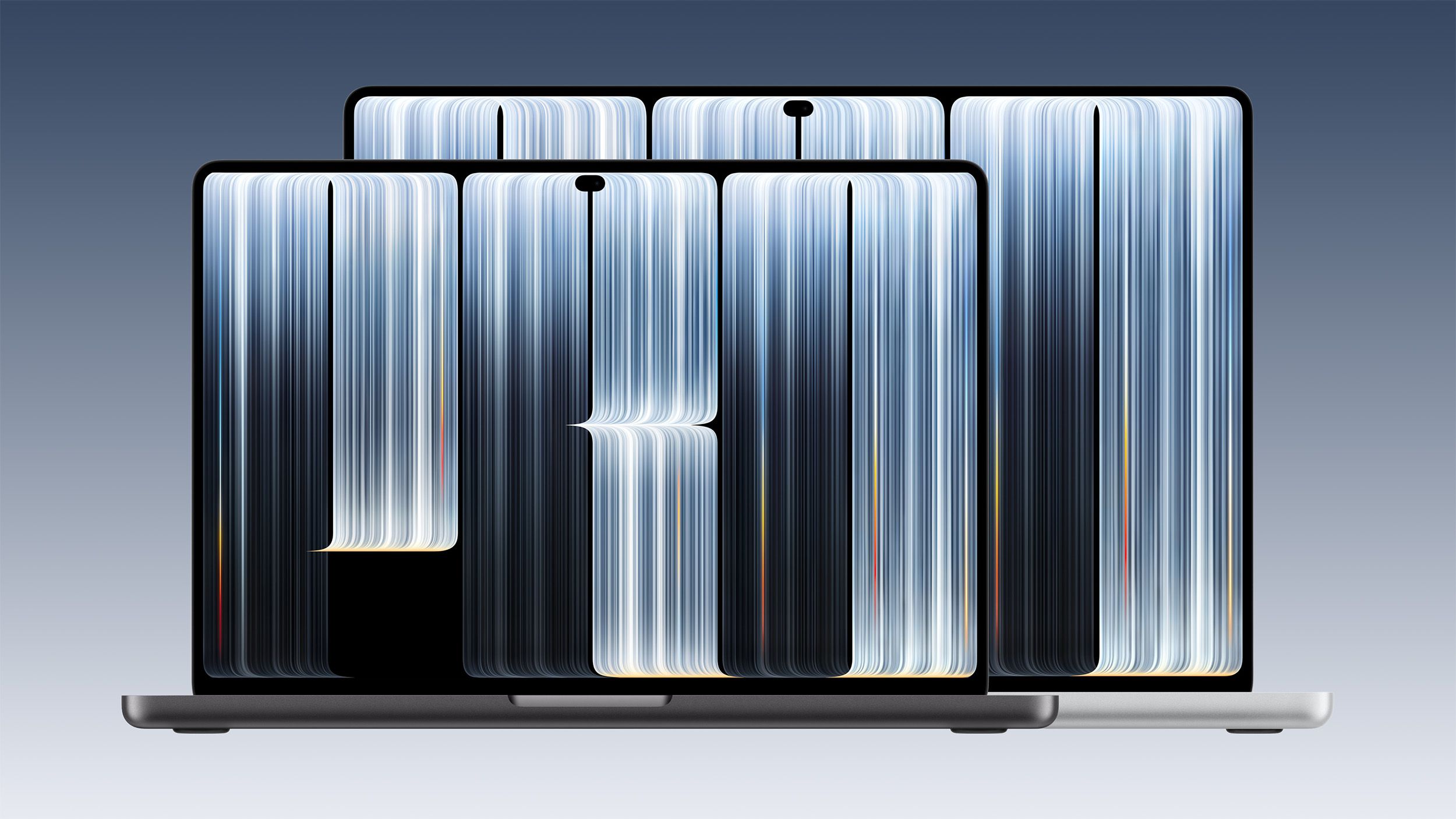
On October 28, 2026, Apple finally did what many thought it never would. At its “Pro and Tell” event in Los Angeles, the company unveiled the all-new MacBook Pro with PROLED XDR Display — the first Mac ever with a touchscreen, and the first MacBook Pro to use OLED. Available in 14-inch and 16-inch sizes, it pairs a stunning tandem OLED panel with M5 Pro and M5 Max chips, a Dynamic Island, a glowing Apple logo, and a thinner, lighter design. Pre-orders are open now, with availability starting November 6.
The Display: PROLED XDR Tandem OLED
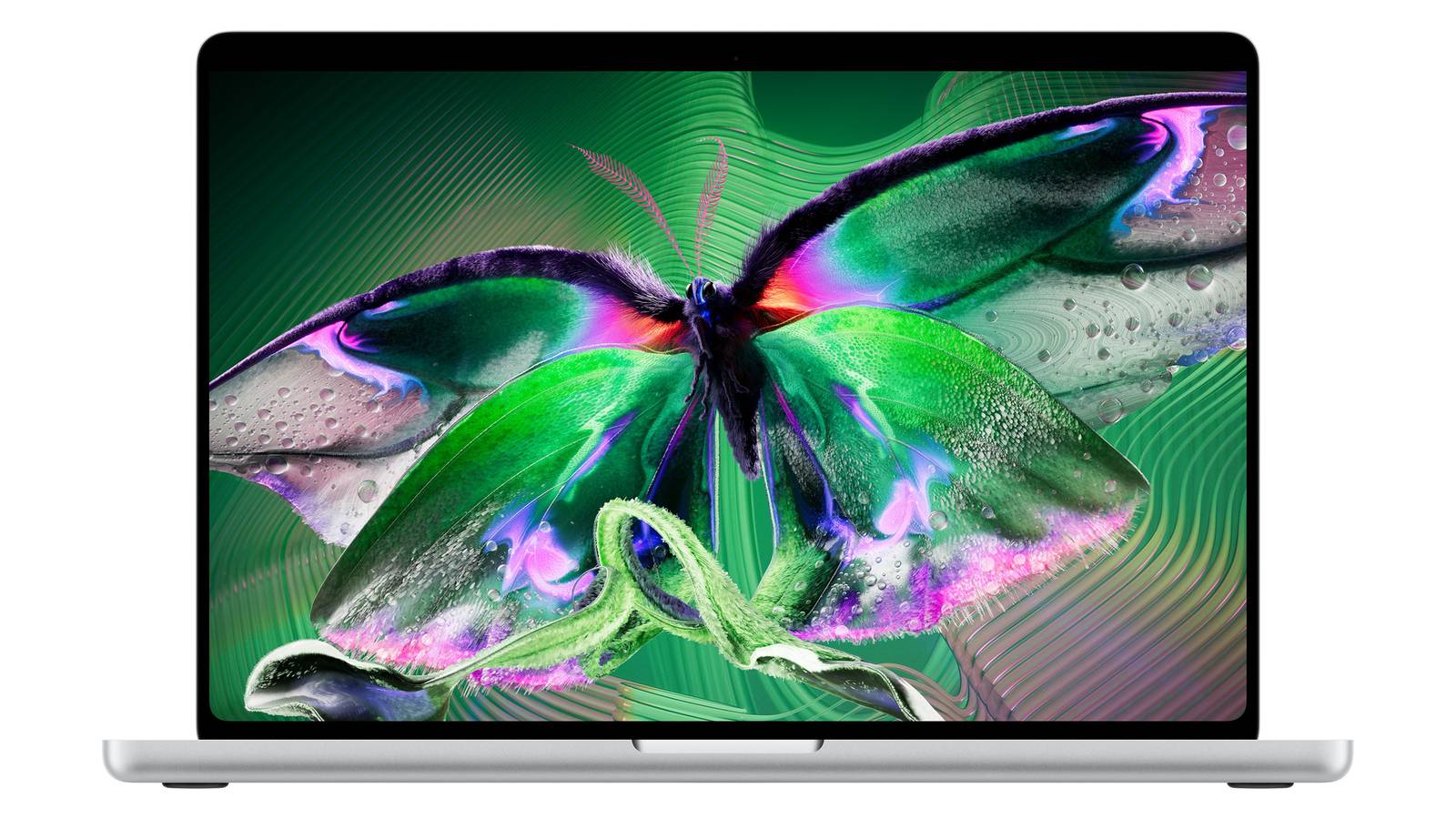
Apple calls the new screen the PROLED XDR — a tandem OLED design that stacks two self-illuminating pixel layers. The result is exceptional brightness and contrast that mini-LED simply cannot match.
- Up to 2,000 nits peak HDR and SDR brightness
- 10,000,000:1 contrast ratio for true black blacks
- ProMotion with variable refresh rate from 10Hz to 120Hz
- Wide color covering both P3 and Adobe RGB
- Display engine that calibrates every pixel for content, temperature, and environment
- Touch sensor built directly into the panel (not layered on top) for lower latency
Screen sizes are slightly larger than before thanks to thinner bezels: 14.2 inches and 16.3 inches. The notch is gone, replaced by a Dynamic Island that can show Live Activities, Siri, and more — the same interface iPhone users already know.
Touch Comes to Mac for the First Time
Steve Jobs famously opposed touchscreen Macs. Apple has now reversed that stance. The new MacBook Pro supports multi-touch gestures directly on the display: tap, swipe, scroll, pinch-to-zoom, and even file dragging.
It is not a convertible 2-in-1. The laptop stays in traditional clamshell form. You reach up and touch the screen when it makes sense, while still having the full keyboard and trackpad available. Apple has also reinforced the hinge so the display stays stable when you press on it.
System gesture APIs are available for developers, so apps can be optimized for touch over time. macOS 27 (codenamed Golden Gate) brings the necessary software support.

Performance: M5 Pro and M5 Max
These models use the same high-end chips as the existing MacBook Pro lineup: M5 Pro and M5 Max. Apple is selling the new OLED versions alongside the mini-LED models and the newly announced M6 14-inch MacBook Pro.
- M5 Pro: up to 18-core CPU and 20-core GPU
- M5 Max: up to 18-core CPU and 40-core GPU
- Unified memory up to 128GB
- Storage up to 16TB
- On-device AI capabilities for local large language models
- Up to 24 hours of battery life
Design Changes
- Thinner and lighter than the previous generation (14-inch around 3.0 lb / 1.38 kg)
- Glowing Apple logo returns on the lid
- Dynamic Island instead of the notch
- Improved six-speaker audio system with deeper bass
- Still three Thunderbolt 5 ports, HDMI, SDXC card slot
- Wi-Fi 7 and Bluetooth 6.0
- Available in Silver and Space Black
- Nano-texture glass option available
Pricing and Availability
These are premium machines. Starting prices in the U.S.:
- 14-inch with M5 Pro: from $2,899 ($2,749 education)
- 16-inch with M5 Pro: from $3,399 ($3,199 education)
- 14-inch with M5 Max: from $4,499 ($4,199 education)
- 16-inch with M5 Max: from $4,799 ($4,499 education)
Pre-orders began October 28, 2026. Units start arriving on Friday, November 6, both online and in Apple Stores and authorized resellers.
Who Is This For?
Colorists, video editors, photographers, 3D artists, and anyone who needs a portable reference-quality display will benefit most from the PROLED XDR panel. The touch support adds a new interaction layer for creative apps, while the M5 Pro and Max chips handle demanding workloads and on-device AI.
If you mainly need everyday performance, the new M6 14-inch MacBook Pro or a MacBook Air may be a better value. The OLED models sit at the top of the lineup and carry a premium price.